Recycling and Sustainability for Gardening Services
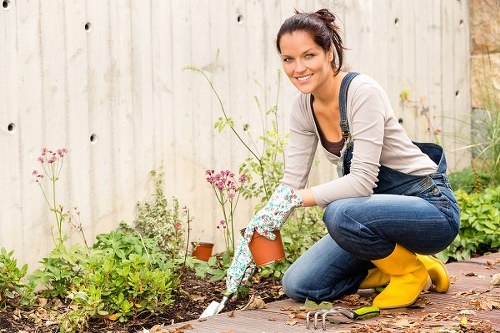 At the heart of our Gardening Services offering is a clear environmental commitment: we aim to achieve a 90% recycling rate for all garden waste collected within the next three years. This recycling percentage target is not an aspirational slogan but a measurable objective tracked through weighbridge data, consistent manifests and monthly reporting. Our sustainable gardening services focus on reducing landfill, returning organic matter to the soil and supporting local circular-economy schemes. By prioritising reuse, composting and material recovery we reduce carbon and resource waste while delivering better garden maintenance outcomes for clients across boroughs and neighbourhoods.
How we work with local transfer stations and borough schemes
We partner closely with municipal transfer stations and civic amenity sites, matching our collections to borough-specific separation rules. Many local boroughs operate distinct streams for green waste, food and residual refuse; we tailor our garden services to those approaches so that leaves, prunings and grass cuttings arrive pre-separated and ready for composting. Our crews are trained to follow the boroughs' approach to waste separation ??? from source segregation at the client's site to delivering materials to the correct local facility ??? ensuring regulatory compliance and maximum reuse.
![In the image, a person is planting young green shrubs into a prepared garden bed with dark, moist soil. The individual is wearing gloves and has their hands gently placing a shrub into the ground. Surrounding the planting area are other small plants and seedlings, some already established, with healthy green foliage. The garden appears to be part of a well-maintained outdoor space, possibly in a residential garden or community green area near [TOWN] or within the local postcode region. The background includes additional soil patches and some larger rocks, indicative of recent landscaping or garden maintenance work. The scene is lit by natural daylight, suggesting clear weather conditions suitable for outdoor gardening activities. This setting exemplifies sustainable gardening practices, aligning with principles of recycling and sustainability promoted by Gardening Services, emphasizing careful planting and soil management in a landscaped yard or garden environment.](/pub/_photos/gardening/f1391897664.jpg) Logistics are a crucial part of our low-impact gardening service. We run a mixed fleet of low-carbon vans, including electric and hybrid vehicles, to minimise CO2 emissions on collection runs and field visits. Route optimisation software reduces mileage and idle time, while on-site compacting and segregation reduce the number of trips to transfer stations. Typical recycling activities we coordinate include:
Logistics are a crucial part of our low-impact gardening service. We run a mixed fleet of low-carbon vans, including electric and hybrid vehicles, to minimise CO2 emissions on collection runs and field visits. Route optimisation software reduces mileage and idle time, while on-site compacting and segregation reduce the number of trips to transfer stations. Typical recycling activities we coordinate include:
- chipping woody prunings for mulch and biomass,
- composting leaves and grass cuttings at licensed green-waste facilities,
- screening and reusing topsoil and compost in community planting schemes, and
- diversion of larger timber to local wood-recycling enterprises for reuse.
Beyond recycling hardware, our gardening service cultivates strong partnerships with charities and social enterprises. We work with local community gardens, food banks and horticultural charities to donate surplus plants, clean pots and reusable soil where appropriate. These partnerships help repurpose good-quality materials and support social value outcomes in the neighbourhood. For example, sheltered housing projects often benefit from donated compost or planters, while social firms can upcycle timber offcuts into benches and raised beds.
![The image depicts a well-maintained garden area with a lush, green lawn in the foreground, bordered by various flowering bushes and shrubs, including pink roses and yellow-green foliage. A flower bed with bright, colorful blossoms is visible towards the back, alongside a backdrop of mature trees providing shade. Gardening tools such as a rake, a watering can, and a wheelbarrow are arranged near the edge of the lawn, indicating recent or ongoing outdoor maintenance. The scene suggests a tidy, landscaped outdoor space suitable for gardening services focused on lawn care, hedge trimming, and plant management, characteristic of a typical garden in the UK, possibly in the vicinity of [TOWN] or within postcode area [POSTCODE]. The weather appears clear with natural daylight illuminating the garden, highlighting the variety of textures and natural tones, from the vibrant flowers to the dark soil and healthy grass, emphasizing a setting conducive to sustainable gardening practices. Gardening Services often supports such green spaces through sustainable and eco-friendly gardening solutions, aligning with the theme of recycling and environmental responsibility as suggested by the page 'Recycling and Sustainability'.](/pub/_photos/gardening/f1376763904.jpg)
Transfer stations, civic amenity sites and reuse centres
Our team schedules deliveries to the nearest transfer stations and reuse centres that accept segregated green waste ??? this coordination reduces handling and ensures material quality. Many boroughs provide different drop-off days or sorting requirements; our operatives keep up to date with those timetables so we can funnel materials to the right facility, whether it's a council-run composting unit or a privately operated anaerobic digestion plant. Where permitted, we also facilitate small-scale on-site composting for clients looking for low-carbon, closed-loop garden maintenance.Measuring progress is critical: we use digital manifests and weighbridge receipts to calculate our ongoing recycling percentage. Monthly KPI reports show percentage recycled, tonnage diverted and estimated carbon savings. These metrics help us continuously improve and align with municipal targets. Training programmes for staff emphasise segregation techniques and the importance of preventing contamination ??? a single bag of mixed waste can compromise an entire load destined for composting.
Our investment in low-emission transport complements our recycling work. The fleet includes battery-electric vans for urban rounds and low-emission hybrids for longer rural trips. These vans are serviced with a sustainability lens: we prioritise renewable electricity for charging where municipal grid options or workplace charging are available, and we pilot hydrogen-ready vehicles where appropriate. The shift to low-carbon vans directly reduces the embedded emissions of our garden waste collections and day-to-day garden maintenance visits.
![A woman in gardening gloves is depicted trimming a flowering rose bush in a well-maintained garden, with a large rock and a wooden fence in the background. The garden features lush green foliage, including various shrubs and plants situated along a neatly edged flower bed. The vibrant pink and white roses are in full bloom, contrasting against the deep green leaves. The lawn area visible in the background is lush and evenly cut, with a gravel pathway adjacent to the flower bed. The setting is outdoors on a clear day with soft natural light illuminating the scene, indicative of mild weather typical of the UK. The garden appears to be part of a landscaped outdoor space, highlighting sustainable gardening practices, possibly supported by local gardening services like those at gardeningservices.org.uk, reflecting attention to outdoor maintenance, plant care, and environmentally friendly practices in the [POSTCODE] area near [TOWN]. The woman’s focused expression and the garden’s tidy appearance suggest ongoing garden management aimed at promoting healthy plant growth and sustainable outdoor environments.](/pub/_photos/gardening/f1381842944.jpg) Staff and operational practice are equally important: we equip teams with biodegradable collection liners where required, provide robust sacks for clean green waste, and follow strict protocols for chemical-free disposal of invasive plant material. Partnerships with local social enterprises mean some cleared plants and materials find a second life ??? for example, screen-graded soil can be used by community allotments, and oversized logs may be turned into community seating by a local wood workshop.
Staff and operational practice are equally important: we equip teams with biodegradable collection liners where required, provide robust sacks for clean green waste, and follow strict protocols for chemical-free disposal of invasive plant material. Partnerships with local social enterprises mean some cleared plants and materials find a second life ??? for example, screen-graded soil can be used by community allotments, and oversized logs may be turned into community seating by a local wood workshop.
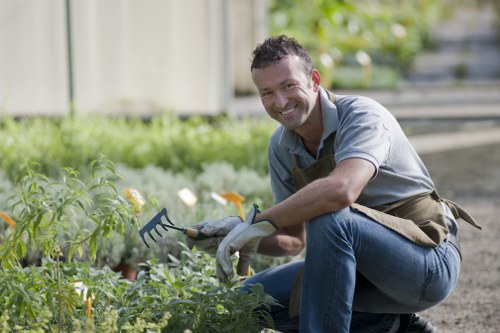 In summary, our approach to recycling and sustainability in garden services combines an ambitious recycling percentage target, active collaboration with transfer stations and borough schemes, charitable partnerships and a low-carbon vehicle fleet. We believe that responsible garden services deliver better green spaces, reduce waste, and support local economies. By embedding these principles across every collection and visit, we create measurable environmental benefit while maintaining high-quality garden maintenance and bespoke gardening service delivery for our local communities.