Gardening Services in London
We provide gardening services in London for household gardens, shared outdoor spaces and practical green areas that need regular attention or a one-off refresh. The work can include lawn care, hedge trimming, border tidy-ups, seasonal clearances and wider garden maintenance, all arranged around the condition of the space and the tasks it actually needs. If you want a straightforward way to keep an outside area manageable, we can help with a clear, organised approach.
Our gardening services are suited to people who want tidy presentation without having to manage every detail themselves. We can shape work around routine upkeep, focused improvements or a broader seasonal reset, depending on what is most useful. The aim is to keep the garden practical, neat and usable, whether the job is limited to a small patch of lawn or a more varied domestic space with shrubs, paths and planting beds.
To get started, it helps to think about the main jobs you want completed, any areas that need extra attention and whether the work is a single visit or something recurring. A brief description is usually enough to begin the conversation. If you are comparing options, you can also request a quotation once the scope is clear. For wider service details, see our garden services page.
Regular garden maintenance and seasonal care
Routine maintenance is often the most effective way to stop a garden from becoming too time-consuming. It may include mowing, edging, pruning, deadheading, light weeding and general tidying, with the exact combination depending on the size and style of the space. We approach maintenance as a practical schedule of tasks rather than a fixed package, because different gardens need different levels of attention across the year.
Seasonal work is equally important. In spring, gardens often benefit from clearing leftover growth, refreshing borders and checking how plants have come through the colder months. In summer, the focus can shift towards managing vigorous growth, keeping lawns presentable and maintaining clean edges. In autumn, leaf clearance and cut-back work can help prepare beds and hard surfaces for winter. If you are looking for a continuing arrangement, our garden maintenance page gives a useful overview of the kind of upkeep we provide.
Useful garden maintenance tasks often include:
- mowing and grass cutting for an even finish
- hedge trimming and shrub shaping
- border weeding and tidying
- clearing leaves, trimmings and light garden waste
- basic seasonal cut-backs and plant tidy-ups
Lawn care, grass cutting and presentation
A neat lawn can change how an entire garden feels, so grass care is a core part of many jobs. We can help with regular mowing, one-off grass cutting and tidy finishing around edges, paths and planting beds. The right approach depends on growth, access and the state of the turf, which means we can work on simple front lawns as well as larger back gardens that need a more considered cut.
If a lawn has been left for a while, the job may need a more careful first pass before settling into a normal maintenance pattern. Heights, clippings and edging all matter, especially where the lawn joins paving or borders. Where appropriate, it can also be sensible to combine grass work with basic clearance, so the garden feels finished rather than partly done. See our lawn mowing page for a focused service description, or the grass cutting page for a simpler cut-focused option.
Some gardens need more than a quick mow. Uneven ground, heavy growth and awkward borders can all affect how the work is carried out, and it is often better to treat the lawn as part of the wider outdoor layout. That is why we also offer related turf and lawn options where needed, including lawn turf installation for spaces that need a fresh start rather than repeated cutting alone. If you are unsure which route is most suitable, tell us what the garden looks like now and what result you want.
Hedge trimming and plant shaping
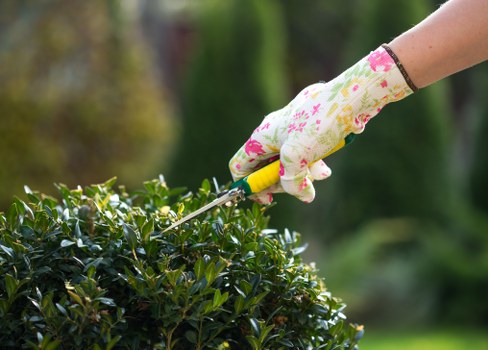
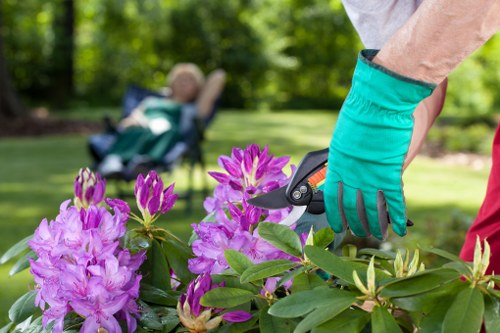
Hedges and shrubs need regular attention if they are to stay neat and manageable. Trimming can improve the outline of the garden, stop growth from spilling into paths or driveways and help maintain light and access where it matters. We can handle straightforward hedge cutting as well as more detailed shaping, with care taken to leave the space tidy and the growth controlled rather than over-cut.
Different plants call for different handling. Some hedges are best kept crisp and even, while others are healthier when trimmed more lightly and allowed to retain their natural form. The timing of the work can matter too, especially where birds, flowering cycles or new growth are part of the picture. If your garden includes taller boundary planting or overgrown sections, our hedge trimming page is a useful place to start, and our hedge trimmer page gives another route to the same type of service information.
Good hedge care is often about balance: keeping the line clear without stripping too much growth in one visit. We can also fold hedge work into broader maintenance visits, so the trimming fits naturally with lawn care, bed tidying and light clearance. That tends to produce a more coherent result across the whole garden, especially where hedges frame seating areas, borders or access routes.
Clearance work for overgrown or cluttered gardens
Some gardens need more than routine upkeep. When growth has become heavy or the space contains unwanted green waste, cuttings or general garden debris, clearance work can restore order and make the site easier to manage. This might involve removing brambles, taking back overgrowth, lifting accumulated waste and making the area ready for future maintenance or further improvement.
Garden clearance is often a practical first step before any more detailed work can happen. Once the space is opened up, it is easier to assess what should be retained, what needs pruning and whether the garden would benefit from mowing, hedge work or planting changes. If the main need is simply to recover a neglected outdoor area, our garden clearance page covers this type of work in more detail. For broader support, the garden services page can help you compare related options.
Clearance also needs a sensible finish. It is not just about removing material, but about leaving the garden in a state where the next step is realistic. That may mean clearer paths, improved access to beds and a general reduction in clutter so the space can be used or maintained more easily afterwards. When you enquire, mention whether the job is part clearance, full clearance or a tidy-up after a period of neglect.
Landscaping and structural garden improvements

Beyond routine upkeep, some gardens need structural changes that alter how the space is used. Landscaping can include reshaping areas, improving levels, creating new planting zones and introducing features that make the garden more workable. We can discuss practical improvements that fit the existing layout, whether the aim is to make movement easier, create stronger boundaries or give the garden a clearer visual structure.
Where a project involves more than a tidy-up, it helps to think in terms of function as well as appearance. A garden may need better drainage, more usable access, or a clearer separation between lawn, border and seating areas. Those decisions shape the work from the start. For a broader overview, see our landscape gardening page, or explore the more general landscaping page if you are considering multiple changes together.
In many cases, landscaping is best treated as a sequence of practical steps rather than one large idea. For example, a garden might first need clearing and levelling before any planting or turf work can happen, while another might only need targeted improvements in one section. The most useful plan is the one that matches the actual garden, so it is worth identifying which parts are being kept, improved or replaced before work begins.
Fencing, boundary work and privacy
Garden fencing plays an important role in defining the space, improving privacy and helping the garden feel finished. Panels, posts and boundary sections may need repair, replacement or complete installation depending on condition and layout. We can help with straightforward fencing work where the purpose is to restore a clear boundary or improve the appearance and security of the garden perimeter.
Some customers only need one damaged section repaired, while others want a more comprehensive boundary update. The right solution depends on the length of the run, the existing supports and the condition of any adjoining features such as gates, planting or paving. If you need fencing as part of a larger garden refresh, our garden fence installation page and garden fence replacement page describe the main options. There is also a broader garden fencing page for comparing the service as a whole.
Well-planned fencing should sit comfortably with the rest of the garden, not overwhelm it. That means thinking about height, finish and how the boundary line affects light and access. In some gardens, fencing is the final detail that ties the space together after clearance or landscaping. In others, it is the starting point that makes the rest of the work worthwhile.
Trees, larger growth and access
Where a garden includes larger trees or substantial woody growth, the work can move beyond ordinary pruning. Branch reduction, removal, stump-related tasks and controlled cutting all require a more careful approach because they affect access, safety and the long-term shape of the garden. We can discuss this type of work where it is needed alongside the rest of the garden plan.
Tree work is usually best approached with a clear understanding of the outcome you want. In some cases the main issue is overhanging growth; in others it is a tree or stump that is making maintenance difficult. Our tree lopping and removal page explains one route to larger tree work, while the tree surgeon page is useful if you want a service focused more closely on tree care. For smaller cutting requirements, the tree cutting service page may be a better fit.
Not every garden needs the same level of intervention. Some trees require selective work to improve shape and light; others may need removal where they are no longer suitable for the space. We also handle related groundwork where appropriate, including stump removal support via our stump grinder page. As with all garden services, the safest and most effective plan starts with an honest look at the size, position and condition of the growth involved.
Paths, patios and the finishing touches

A garden often feels more complete when paths, patios and other hard surfaces are kept clean and usable. Dirt, algae and general buildup can affect the appearance of the whole outdoor area, even where the planting itself is neat. That is why some garden jobs include pressure or jet washing alongside the living parts of the space, especially when the goal is a tidy overall finish rather than a plant-only refresh.
Where hard landscaping is already in place, surface care can be just as important as mowing or pruning. Clean paving frames the rest of the garden well and can make seating areas, entrances and routes through the space feel safer and more welcoming. If this is part of what you need, our jet washing page and patio cleaning page give useful detail on these services. For work that includes timber features, the decking services page and garden decking service page may also be relevant.
These finishing tasks are often most effective when they are coordinated with the rest of the garden. For example, a freshly cut lawn and trimmed hedge can look even better once paths are cleared and patio edges are washed down. That creates a more coherent result across the space and avoids leaving one part tidy while another still looks neglected.
Pricing factors, visits and how to request a quotation
Costs for gardening work depend on the amount of labour involved, the size and condition of the garden, access, the level of clearance required and whether the work is a one-off or ongoing visit. A quick tidy-up and a full overgrown clearance are very different jobs, so it is sensible to describe the garden as accurately as possible. If multiple services are needed together, we can shape the quotation around the combined scope.
When preparing an enquiry, it helps to note the main tasks first and then mention anything that could affect the work, such as awkward access, heavy growth, broken fencing or areas you want left untouched. Photographs can be useful where the garden is large or overgrown, but a written description also works well. If you are comparing options or want to plan the next step carefully, you can review our pricing and quotes page before you request a quotation.
Once we understand the scope, we can provide a quotation that reflects the actual work rather than a generic estimate. That makes it easier to decide whether you want regular maintenance, a one-off improvement or a broader garden reset. If you already know the general type of service you need, tell us that plainly and we can move straight to the details.
About London
London is a large and layered city shaped by the River Thames, its historic core and the wide ring of districts that developed through centuries of expansion. The City of London preserves the medieval street pattern at its heart, while Westminster contains many of the capital’s best-known civic and political landmarks, including the Palace of Westminster, Westminster Abbey and Whitehall. East, north, south and west, former villages and market towns were absorbed over time into a metropolis with distinctive neighbourhood identities, from riverside quarters and garden squares to dense terraces, estates and high streets. The Thames remains one of the city’s most important natural and visual features, crossed by bridges old and new and bordered by walkways, wharves and regenerated waterfronts. Parks such as Hyde Park, Regent’s Park, Hampstead Heath and Richmond Park provide major open spaces, while smaller commons, churchyards and neighbourhood greens bring greenery into many residential districts. Cultural life is equally varied, with galleries, theatres, museums, markets and music venues spread across central and outer London. The city’s architecture reflects many periods at once, from surviving Georgian terraces and Victorian civic buildings to post-war housing, contemporary towers and restored industrial sites. Transport also shapes the capital’s character, with Underground lines, mainline rail, buses and river crossings linking boroughs that can feel very different in scale and atmosphere. Taken together, these elements make London a place of strong local identity as well as broader metropolitan continuity.
Garden services for different kinds of outdoor space
Not every garden needs the same mixture of work. Some need only simple ongoing care, while others require a combination of clearance, planting support, boundary work and surface cleaning. That is why it helps to think in service groups rather than trying to squeeze every task into one label. We can discuss the parts that matter most and build the job around those priorities.
If your garden needs a more complete refresh, the wider service family can be brought together sensibly. That might mean combining mowing with hedge trimming, adding fence replacement where the boundary is tired, or introducing turf and landscaping where the space needs a new layout. Related pages such as garden landscapers, landscape gardeners and garden maintenance can help you compare the scope of different approaches.
Common reasons people arrange garden work include: keeping a regular outdoor space manageable, restoring a neglected area, improving the look of entrances and paths, preparing a garden for seasonal use or dealing with one section that has grown out of control. Whatever the reason, the most useful first step is to match the service to the actual condition of the site, then decide how much of the work should happen at once.